

Hospice care provides compassionate, comprehensive support for individuals facing life-limiting illnesses. Hospice Orange County NY offers expert pain and symptom management, emotional and spiritual counseling, and ongoing bereavement support for families. With a dedicated team of nurses, aides, social workers, and volunteers, patients receive personalized care wherever they call home, ensuring comfort, dignity, and peace during every stage of the end-of-life journey.
Understanding the Hospice Philosophy
At its core, hospice care recognizes that when a diagnosis indicates a limited life expectancy (typically six months or less), the focus shifts from cure to comfort. It seeks to relieve suffering and enhance the best quality of life possible for patients and their families, wherever the patient calls “home,” whether that is a private residence, nursing home, hospital, or a dedicated hospice residence. The interdisciplinary hospice team — usually comprised of physicians, nurses, social workers, spiritual care providers, aides, and volunteers — works collaboratively to tailor individualized care plans that help manage symptoms and support the emotional and spiritual wellbeing of those involved.
Core Hospice Services
Hospice services encompass a wide range of compassionate care options, all focused on the holistic needs of people with advanced illness and their families. According to the Hospice of Orange & Sullivan Counties, these include:
1. Nursing Care
Registered nurses make regular visits to assess the patient’s condition, manage pain and symptoms, adjust medications, and monitor overall comfort. They act as advocates for the patient’s needs, coordinate care with physicians, and are available by phone or in person in urgent situations.
2. Pain and Symptom Management
A primary goal of hospice is to reduce discomfort and distress from symptoms related to life-limiting illness. This may involve medication management, specialized techniques, or supportive therapies tailored to each patient’s needs.
3. Home Health Aide Services
Home health aides assist with basic personal care such as bathing, dressing, and hygiene. While family members often provide most hands-on care, aides help ensure comfort and safety as needed.
4. Social Work Support
Certified social workers visit patients and families to offer emotional support, help navigate complex decisions, connect to community resources, assist with advance care planning, and provide guidance through financial or practical challenges.
5. Spiritual Care
Hospice recognizes that spiritual or existential concerns often emerge at the end of life. Spiritual care providers offer support regardless of religious affiliation, helping patients and families explore meaning, reconcile fears, and find peace during a challenging time.
6. Volunteer Services
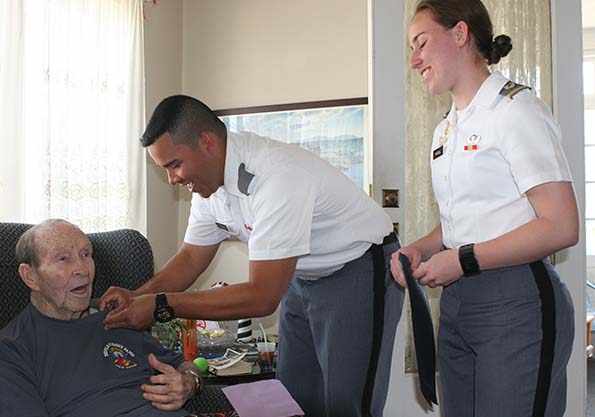
Volunteers play an important role in hospice by offering companionship, respite for caregivers, errands, reading, letter writing, or simply a compassionate presence. These services enrich the patient’s life and extend support to families.
7. Bereavement and Grief Support
Bereavement care is provided not just to those who have lost someone under hospice care but to the broader community as well. Support is offered through counseling, support groups, and educational resources to help individuals of all ages navigate grief before and after death.
8. Medical Equipment and Supplies
Hospice typically covers the cost of medical supplies and durable equipment necessary to maintain comfort — such as beds, oxygen, wheelchairs, commodes, and nebulizers — during the course of care.
Specialized Programs and Settings
In addition to the core services above, many hospice organizations — including Hospice of Orange & Sullivan Counties — offer specialized programs such as pediatric palliative care, veterans support programs, children’s grieving services, and care in nursing facilities or dedicated hospice residences. These options ensure patients receive consistent, compassionate care in environments that suit their needs.
The Role of Families and Caregivers
Hospice not only supports the patient but actively involves family members as partners in care. Teams educate caregivers, provide emotional support, and can offer respite when needed, helping reduce stress and enable families to spend meaningful time together. Importantly, hospice care continues its outreach even after a patient’s death, with grief counseling and support groups helping families cope with loss.
Conclusion
Hospice care is much more than medical treatment — it’s a comprehensive, compassionate approach that values dignity, comfort, and quality of life. By offering a blend of clinical expertise, emotional and spiritual support, practical assistance, and community-wide bereavement resources, hospice empowers patients and families to face life’s final chapter with greater peace and understanding. Whether provided at home, in a nursing facility, or a hospice residence, these services reflect a deep commitment to honoring each individual’s journey.








Write a comment ...